Local business? Support local news on QueenCreek.city

Back to Queen Creek

Late-fall floods lift Lake Powell more than 20 feet, but Colorado River releases are unlikely to change before spring snowpack peaks

Runoff from the late-October and early-November storms is refilling depleted Southwest reservoirs, yet the drought persists and Arizona's Lower Basin cuts stay in place while the Bureau of Reclamation waits on snowpack.

Dana Goddard· AI-assisted, edited by Jake Team

November 8, 20262 min read

Southwest reservoir recovery - illustration, Jake Team LLC

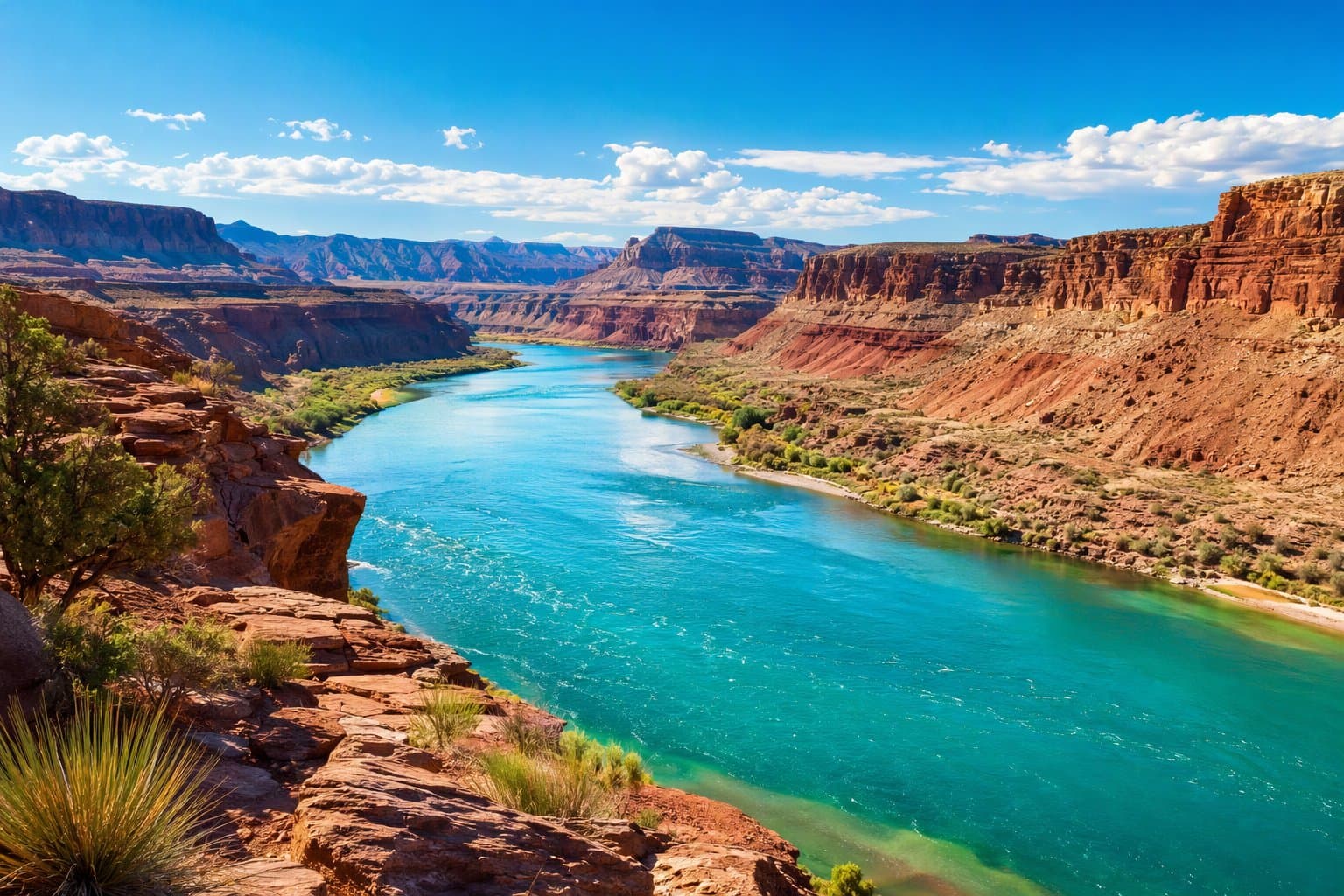
The storms that flooded communities across the Southwest over the past two weeks are also refilling some of the region's most depleted reservoirs, the Associated Press reported Sunday.

Lake Powell, the nation's second-largest reservoir, has climbed more than 20 feet since its mid-September low, according to University of Colorado Boulder climate scientist and hydrologist Martin Hoerling. That rise already exceeds what the lake gained from this year's spring snowmelt, which was weak after a poor winter.

Even so, the lake on the Arizona-Utah line was only a little over a quarter full as of Friday, and only two of its 17 boat ramps were usable.

Hoerling estimated that the floodwaters and more rain could add a total of more than 1.2 million acre-feet to the lake, a volume he put at a year's supply for about 4 million typical families. He described the boost to the AP as unexpected, and experts said El Niño's influence could keep feeding Western supplies for months.

Closer to home

In central Arizona, the AP reported, runoff surging into Verde River tributaries led the Salt River Project to let water out of two dams that were close to capacity, sending it down the usually dry riverbed through metro Phoenix. In Flagstaff, Upper Lake Mary has taken in more than 3 billion gallons since early October, the city's water production manager said.

What does not change yet

The region is still in drought, and the big allocation decisions are already made. Jack Schmidt, a Colorado River researcher at Utah State University, told the AP the Bureau of Reclamation probably will not change how much water leaves Lake Powell or its other reservoirs until it knows when snowpack has peaked, usually around April.

A Reclamation spokesperson acknowledged improved conditions but said "considerable uncertainty remains."

Under the federal plan for the river's Lower Basin, Arizona, California and Nevada are to trim their combined use 1.25 million acre-feet a year over the next two years, with deeper cuts possible. Arizona and Nevada are fighting that plan in court.

Queen Creek has been moving to rely less on the river. Town officials have said Colorado River water will make up about 10% of the town's future supply, the Queen Creek Tribune reported, and more than half of the water it has lined up for the next century comes from the Harquahala Basin in west-central Arizona.

Sources

azfamily.com

queencreektribune.com

Share

Dana Goddard· AI-assisted, edited by Jake Team

Dana Goddard covers weather, storms, and seasonal life around Queen Creek.

Related Stories

More in Arizona