Local business? Support local news on QueenCreek.city

Back to Arizona

Prop. 142 would write limits on DEI offices, training and diversity statements into Arizona's constitution

The legislative referral expands an existing ban on preferential treatment to cover school and university DEI spending. Supporters call it equal treatment; opponents say it is broad and unneeded.

Dana Goddard· AI-assisted, edited by Jake Team

October 21, 20262 min read

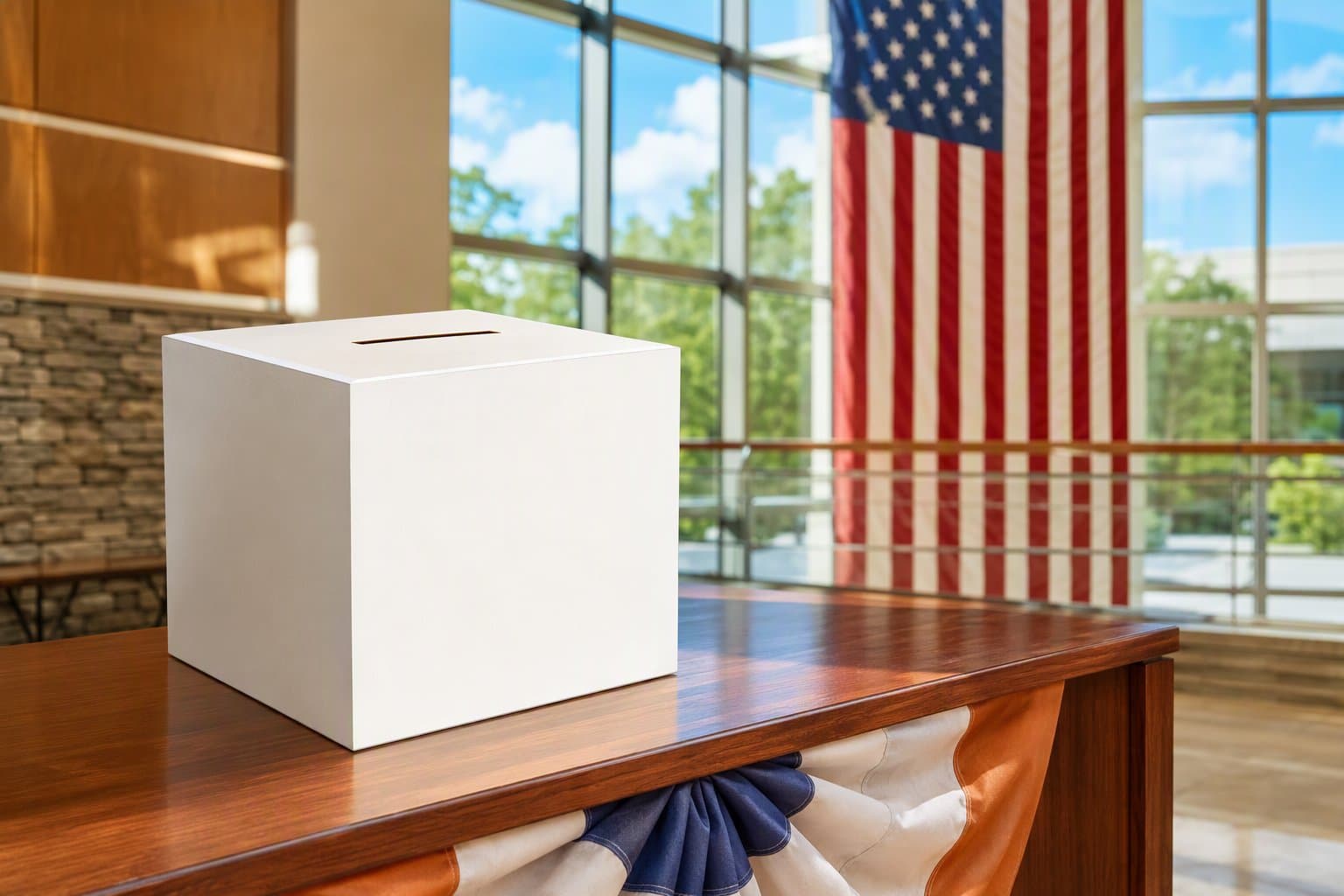
Constitutional Amendment - illustration, Jake Team LLC

Arizona's constitution already bars government at every level from favoring or discriminating against people because of their race, sex, color, ethnicity or national origin. Proposition 142, on the Nov. 3 ballot, would add detailed rules on how that ban applies to schools, universities and public agencies.

Lawmakers referred the measure to voters. It started out as House Concurrent Resolution 2044, approved by the House on Feb. 23 and by the Senate on June 12, according to FOX 10's summary of the legislative record.

What a yes vote would do

The amendment would expand Article II, Section 36. It would apply to the state, counties, cities and towns, public universities, community colleges, school districts and other local governments, and the ban would cover programs tied to federal funding, too.

Under the measure, public bodies could not:

  • Require students, job applicants, employees or contractors to back race-based preferences or diversity, equity and inclusion concepts as a condition of admission, hiring, promotion, graduation or a contract, or ask for statements on those ideas.
  • Use tax money, tuition, grants or donations to pay for school and college offices or staff jobs that promote preferential treatment or try to shape the racial or gender makeup of students and faculty, or on training built around race, ethnicity, intersectionality, gender identity or sexual orientation.
  • Discipline students or employees differently by race or ethnicity.

The text carves out classroom teaching, research, student clubs, short-term guest speakers, licensed health services and lessons on slavery, Indian removal, the Holocaust and Japanese American internment, AZ Luminaria reported. Tribal membership rules and sex-specific spaces are also exempt. Opponents point to a line letting the Legislature add other "related practices or concepts" to the compelled-endorsement ban later.

A no vote leaves Section 36 as written.

The arguments

Backers, including the Goldwater Institute, the Arizona Free Enterprise Club, Heritage Action for America and Arizona Women of Action, say the measure puts equal treatment in the constitution and stops public money from being used to make people endorse race-based programs.

They also say it closes a gap that allows preferences when federal programs require them, so the rule would hold no matter who runs Washington.

Opponents, among them the League of Women Voters of Arizona, the ACLU of Arizona, Mi Familia Vota and Chispa Arizona, say the current ban already covers discrimination. They argue the language is so sweeping that public bodies might abandon legal programs rather than risk being sued.

Darrell Hill, policy director for the ACLU of Arizona, wrote that it would bar certain ideas from discussion on campuses and in government offices, in violation of the First Amendment.

Voting

Early voting is under way. Voters who want a mail ballot must ask for it by Friday, Oct. 23, then mail it back by Oct. 27 or drop it off by 7 p.m. on Election Day, according to FOX 10.

Sources

azluminaria.org

fox10phoenix.com

Share

Dana Goddard· AI-assisted, edited by Jake Team

Dana Goddard covers weather, storms, and seasonal life around Queen Creek.

Related Stories

More in Sport

Sport

The Suns’ YMCA Will Be Measured Long After All-Star Weekend

Phoenix’s planned $60 million downtown YMCA has the makings of a substantial civic investment, but its legacy will depend on ordinary access, reliable programming and housing delivered after the spotlight moves on.

Lena QuillOctober 20, 20263 min read